Teen girl honoured for helping save her father during a heart attack
Stories like Andrea’s are a powerful reminder of why CPR and AED training is so important. With even a few hours of training, ordinary people can become lifesavers. “I didn’t feel calm” – but she did exactly what was needed When 47-year-old Tony Warzel came home from a jog one June morning in Winnipeg, nothing seemed out of the ordinary. Moments later, he collapsed from sudden cardiac arrest in the family home — and his 14-year-old daughter, Andrea, helped save his life.
It was Andrea’s first time ever calling 911. While her mother, Susan, started CPR and her sister helped at the scene, Andrea spoke with the emergency dispatcher and calmly relayed instructions. Thanks to their quick actions and the efforts of first responders, Tony survived.
Andrea has since been recognized with the Winnipeg Fire Paramedic Service Citizen Recognition Award for her role in the rescue.
This story was originally reported by CBC News: Teen girl honoured for helping father during heart attack
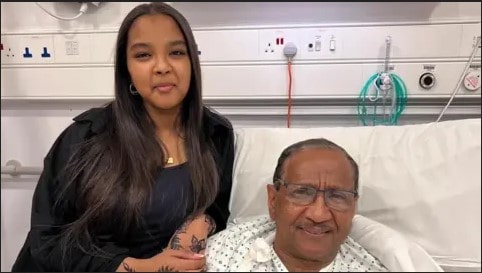
From the outside, Andrea appeared calm and focused. She gave clear information, followed the 911 dispatcher’s instructions, and stayed on the line while her mother performed chest compressions on Tony.
Inside, though, she says she felt anything but calm. She later told CBC that when you’re in that moment, “everything you learn about it… just goes out the window with the nerves and the fear.” Still, she stayed on the phone, did what the dispatcher asked, and kept everyone working together.
Andrea also said she was grateful for the chance to thank the people who helped her family and described meeting the firefighters and paramedics as “pretty special.”
A true family effort
This was not just one person acting alone — it was a coordinated family response:
Susan, Tony’s wife, performed CPR on him while he was unresponsive.
Andrea stayed on the phone with 911, passing along step-by-step instructions on how to continue CPR.
Andrea’s sister helped outside the home, yelling to the garbage truck workers to move their vehicles so the ambulance and fire trucks could reach the house quickly.
By the time paramedics and firefighters arrived, high-quality CPR was already in progress, buying Tony precious time.
According to the City of Winnipeg’s news release, emergency responders used a defibrillator and delivered two shocks to restore a more normal heartbeat. Tony had suffered a heart attack that caused his heart to stop beating properly.
After his pulse was restored:
He was transported to hospital.
Doctors placed a stent to open blocked blood vessels in his heart.
He recovered and has since been doing well.
Tony later said he was incredibly proud of his daughter and deeply grateful to his wife, Andrea, and the emergency responders, acknowledging that the outcome could have been very different without their actions.
Why Andrea’s response mattered so much
Winnipeg Fire Paramedic Service chief John Lane praised Andrea’s behaviour, calling her calmness under pressure “incredible” and a major reason firefighters and paramedics were able to restore circulation to Tony’s heart.
This story shows several key elements of the “chain of survival” in sudden cardiac arrest:
Early recognition and 911 call
Andrea recognized quickly that something was very wrong and called for help immediately.Early CPR
Susan began chest compressions right away, keeping blood flowing to Tony’s brain and vital organs.Early defibrillation
Paramedics used a defibrillator (AED) to shock his heart back into a more normal rhythm.Advanced medical care
Hospital staff opened the blocked artery with a stent, treating the underlying heart problem.
When all of these links happen quickly, the chances of survival go up dramatically.
Teach your kids how to call 911
One of the most powerful lessons from Andrea’s story is that children can save lives if they know what to do.
Even a young teenager – or a mature younger child – can:
Recognize that something is wrong
Call 911
Stay on the line
Follow the dispatcher’s instructions
Help guide adults at the scene
Consider teaching your children:
When to call 911
For someone who is unconscious, not breathing normally, has chest pain, severe trouble breathing, or is badly injured.What to say first
Your location (address or major landmarks), what happened, and how the person looks (awake, breathing, responsive).How to stay on the line
Explain that they should not hang up until the dispatcher says it’s okay.That it’s okay to feel scared
You don’t have to feel calm to be helpful. Following instructions, like Andrea did, is what matters most.
Why CPR and AED training matters
Andrea’s story is a powerful reminder that bystanders are often the first and most important responders in a medical emergency.
CPR keeps blood flowing to the brain and heart when the heart has stopped pumping effectively.
Automated external defibrillators (AEDs) analyze the heart rhythm and can deliver a shock to restore a normal rhythm.
Without early CPR and early defibrillation, many people in cardiac arrest do not survive.
By taking a CPR and first aid course, you can learn how to:
Recognize the signs of a heart attack and cardiac arrest
Perform effective chest compressions
Use an AED safely and confidently
Work as a team with others until EMS arrives
These are skills that anyone — teens, parents, teachers, coworkers — can learn.
Learn CPR in your community
If you’d like to be prepared to help in an emergency like Andrea did, consider enrolling in a CPR or standard first aid course in your area.
For Calgary and nearby communities, you can take hands-on CPR and AED training through Calgary First Aid.
Training gives you:
Clear, step-by-step skills
Confidence to act when every second counts
You might never need to use those skills — but if you do, they could save the life of someone you love.
Learn more about cardiac arrest and AEDs
To explore more about sudden cardiac arrest, heart attacks, and defibrillators, visit:
CBC News – Original story about Andrea and her dad
Teen girl honoured for helping father during heart attackMayo Clinic – Sudden cardiac arrest
https://www.mayoclinic.org/diseases-conditions/sudden-cardiac-arrest/symptoms-causes/syc-20350634WebMD – Automated external defibrillators (AEDs)
https://www.webmd.com/first-aid/automated-external-defibrillators-aed-treatmentWikipedia – Automated external defibrillator
https://en.wikipedia.org/wiki/Automated_external_defibrillator
Serving Calgary and the surrounding areas the lowest priced, highest quality OH&S approved first aid training, CPR and food safety courses for over 15 years!
 Support locally-owned and Canadian-operated businesses, with no partnerships or links with American corporations.