Lethbridge First Responders Save 19-Year-Old After Fentanyl Overdose
A 19-year-old man in Lethbridge is alive today thanks to the fast actions of police officers, paramedics, and effective CPR after a suspected fentanyl overdose.
This incident was originally reported by the Calgary Herald. You can read the full news story here:
Lethbridge first responders save 19-year-old after fentanyl overdose
What happened that night
On a Saturday night in December 2016, Lethbridge Police responded to a report of a suspicious person in the 500 block of 6 Avenue South at around 11 p.m.
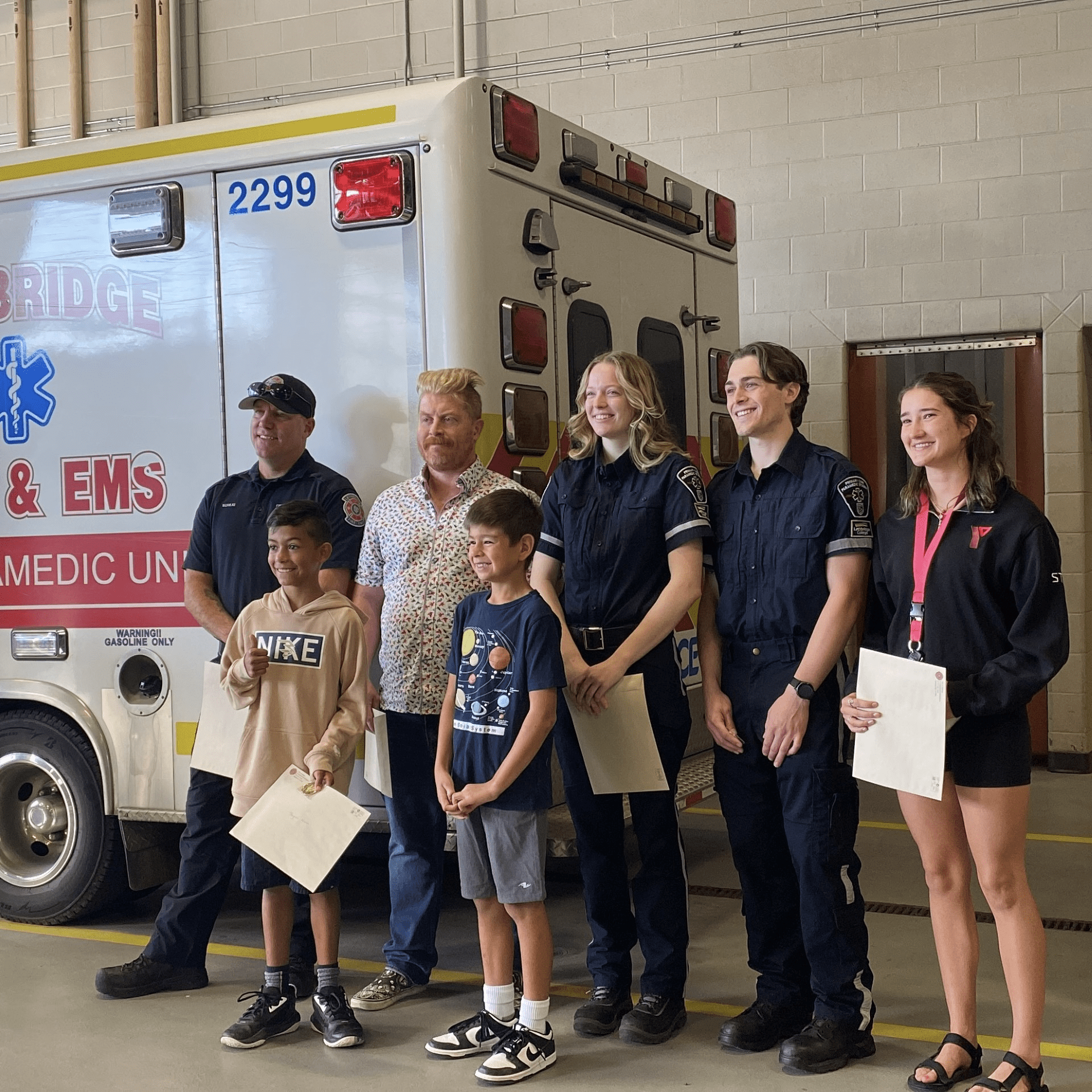
When officers arrived, they found a 19-year-old man who was not breathing and had no pulse. Recognizing the severity of the situation, they immediately began cardiopulmonary resuscitation (CPR) and continued until an ambulance crew arrived.
The patient was then transported to Chinook Regional Hospital, where medical staff were able to fully revive him.
This incident is a clear example of how the chain of survival works in real life:
-
Early recognition of an emergency
-
Immediate CPR
-
Rapid response from paramedics
-
Advanced care in hospital
Together, these steps likely made the difference between life and death.
The deadly reality of fentanyl
Following the incident, Lethbridge Police once again warned the community about the extreme danger of fentanyl. Even very small amounts can be fatal.
As police noted in their news release, there is no safe amount of fentanyl. A dosage equivalent to just two grains of salt can be enough to stop breathing and cause cardiac arrest.
In any suspected fentanyl overdose, time is critical:
Breathing can slow or stop entirely
Oxygen to the brain rapidly decreases
Cardiac arrest can happen within minutes
That’s why police emphasized that immediate medical intervention in any suspected fentanyl overdose could mean the difference between life and death.
Overdose emergencies: why bystanders matter
You don’t need to be a healthcare professional to help save a life. In many emergencies, the first people on scene are friends, family, coworkers, or bystanders.
In a possible opioid overdose, you should:
Call 911 right away
Follow the instructions from the emergency dispatcher
Start CPR if the person is not breathing normally or has no pulse
Use an AED (automated external defibrillator) if one is available and you’re instructed to use it
If you are trained and have access to naloxone, administer it as directed
Even if you’re unsure, it’s better to act than to do nothing. First responders can continue advanced care, but they rely heavily on those first few minutes of help provided by people nearby.
How CPR and AEDs help save lives
CPR and AED use are crucial parts of the “Chain of Survival” for cardiac arrest and many overdose-related emergencies:
CPR helps keep oxygen-rich blood flowing to the brain and vital organs when the heart has stopped or is not pumping effectively.
AEDs analyze the heart rhythm and, if needed, deliver a shock to help restore a normal heartbeat.
Starting CPR early and using an AED as soon as possible can:
Double or even triple a person’s chances of survival
Reduce the risk of permanent brain damage
Buy precious time until paramedics arrive
These are practical, hands-on skills that almost anyone can learn in a few hours.
Why first aid and CPR training are so important
This incident in Lethbridge is a powerful reminder that:
Emergencies can happen anywhere, at any time
First responders can’t be everywhere at once
Basic first aid and CPR skills can keep someone alive until help arrives
First aid and CPR training give you:
Confidence to recognize when something is seriously wrong
The knowledge to start CPR correctly and quickly
The ability to use an AED safely
Practical skills you can use at home, work, school, or in public places
You may never need to use these skills—but if you do, they could save the life of someone you know and care about.
Learn how to help
If you’d like to be prepared to respond in an emergency—whether it’s an overdose, cardiac arrest, or another medical crisis—consider enrolling in a CPR and AED course.
To learn more about CPR, you can also review these resources:
Serving Calgary and the surrounding areas the lowest priced, highest quality OH&S approved first aid training, CPR and food safety courses for over 15 years!
 Support locally-owned and Canadian-operated businesses, with no partnerships or links with American corporations.