Calgary First Aid: Why a 911 Operator Asked a Mail Carrier to Perform CPR
A Winnipeg mail carrier’s experience responding to a medical emergency highlights the difficult decisions bystanders and emergency dispatchers face—and why CPR and first aid training matter.
In May 2017, Canada Post mail carrier Corey Gallagher, 30, was delivering mail to a Manitoba Housing apartment building when he discovered an unconscious woman lying in the lobby. At first, Gallagher believed the woman may have been intoxicated. However, after noticing white powder on her clothing, he became concerned she may have overdosed, possibly involving fentanyl.
Unsure what to do and uncomfortable touching the woman, Gallagher immediately called 911.
911 Operator Followed Emergency Protocols
During the call, the 911 operator instructed Gallagher to begin CPR while emergency crews were dispatched. Gallagher later said he felt pressured to perform CPR despite expressing concerns about his safety and the unknown substance on the woman’s clothing.According to a City of Winnipeg spokesperson, the Winnipeg Fire Paramedic Service reviewed the 911 call recording and determined the dispatcher followed standard emergency procedures.
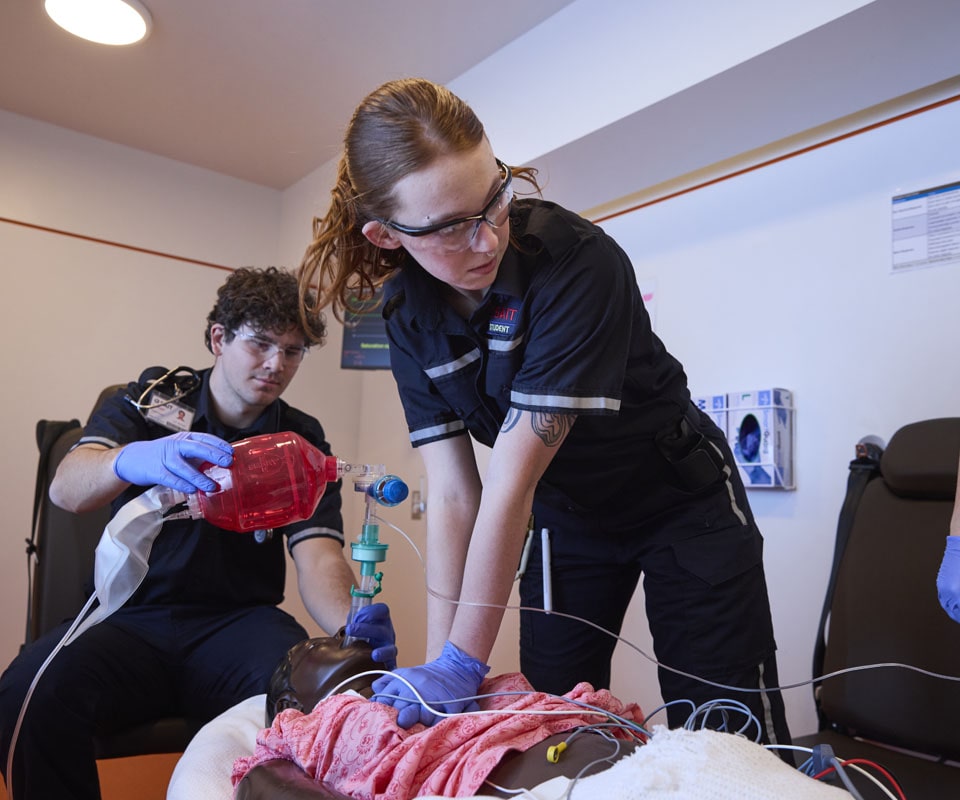
The operator assessed scene safety and asked whether the caller had access to personal protective equipment before continuing with instructions. The city has not confirmed whether the woman survived.
Details of the incident and the city’s response were originally reported by CBC News, which covered the case in depth, including statements from Canada Post, union representatives, and emergency officials. You can read the original CBC article here:
👉 911 operator who told Winnipeg mail carrier to give CPR followed rules, city says
Medical Emergencies Are Stressful for Untrained Bystanders
Officials acknowledged that responding to a medical emergency—especially without training—can be overwhelming. Situations involving possible overdoses add another layer of stress and uncertainty for bystanders.
This is why learning proper emergency response techniques in advance is so important. Enrolling in CPR and AED training.
Canada Post and Union Perspectives
Canada Post stated that employees are expected to contact emergency services if they encounter someone in distress while on duty. While workers are trained to handle suspicious mail items, this incident was unique because it involved both a potential opioid exposure and a medical emergency.
Dave Lambert, health and safety officer for the Canadian Union of Postal Workers, said the mail carrier made the right decision by prioritizing his own safety. He also emphasized the growing need for opioid-response education, access to naloxone kits, and first aid training for frontline workers.
Why CPR and First Aid Training Matter
Emergency dispatchers often work with limited information and must rely on callers to act quickly. Experts note that chest-compression-only CPR is often better than doing nothing when barrier devices are unavailable.
Proper CPR and first aid training equips people with the skills to recognize emergencies, act safely, and potentially save lives until professional responders arrive.
Serving Calgary and the surrounding areas the lowest priced, highest quality OH&S approved first aid training, CPR and food safety courses for over 15 years!
 Support locally-owned and Canadian-operated businesses, with no partnerships or links with American corporations.