Consumer Group Urges Senate to Require Defibrillators on Canadian Flights
The Consumers’ Association of Canada is urging the Senate to require Canadian airlines to carry automated external defibrillators (AEDs) as lawmakers review legislation that could lead to a new airline passenger bill of rights.
The call follows a tragic incident aboard a WestJet flight from Honolulu to Calgary, where an elderly passenger died after suffering a medical emergency mid-flight. The incident and subsequent calls for stronger safety requirements were first reported by CBC News in March 2018.
👉 Consumer group urges Senate to require Canadian airlines to carry defibrillators
Medical Emergency at 35,000 Feet
The overnight flight departed Honolulu late on March 7 and was scheduled to land in Calgary the morning of March 8. During the flight, passengers heard flight attendants urgently asking if a doctor or nurse was on board.
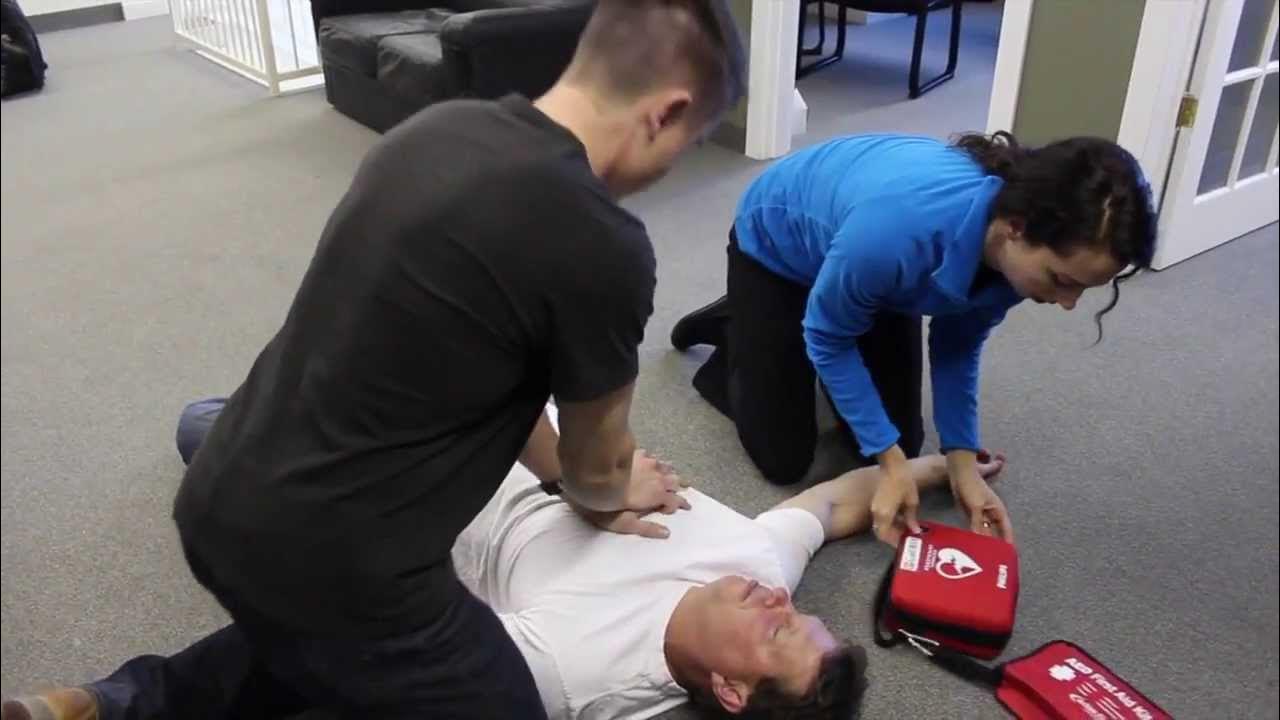
A woman who identified herself as a nurse responded and was led to assist an elderly man, believed to be in his 80s, who was seated near the front of the aircraft. The man was moved to the floor so first aid and CPR could begin.
The nurse requested an AED, but according to CBC News, flight attendants searched overhead bins and it took approximately 10 minutes to locate the device.
Why AED Access Matters
Automated external defibrillators are designed to be easy to use and are critical during sudden cardiac arrest. According to the Heart and Stroke Foundation, early CPR and defibrillation can double survival rates, while each minute of delay reduces the chance of survival by 7 to 10 per cent.
In this case, CPR was performed for more than 30 minutes before it was determined that the passenger could not be revived. CBC News reported that it is unknown whether earlier access to an AED would have changed the outcome.
This incident highlights why CPR and AED training is so important—not just for medical professionals, but for everyday people as well. Learning how to respond quickly in cardiac emergencies can save lives in public places, workplaces, and even while travelling.
In an emailed statement, WestJet said the flight crew used the AED and provided CPR with assistance from the on-board nurse. The airline stated that all its planes are equipped with a medical emergency kit, an AED, and a MEDAire satellite phone that provides direct access to emergency physicians.
WestJet also noted that AEDs and satellite medical support exceed current regulatory requirements.
However, Bruce Cran, president of the Consumers’ Association of Canada, believes AEDs should be mandatory on all aircraft.
“They should have them and they should know how to use them,” Cran said, noting he has raised the issue with senators reviewing the proposed legislation.
Calls for Stronger Safety Standards
Bill C-49, the Transportation Modernization Act, is currently before the Senate. Transport Canada lists AEDs as optional—not required—emergency equipment for Canadian airlines. If airlines choose to carry defibrillators, crews must be trained to use them.
Canadian aircraft are currently required to carry first aid kits, portable oxygen, fire extinguishers, and flashlights.
By contrast, the United States has required AEDs on all commercial aircraft since 2004.
Serving Calgary and the surrounding areas the lowest priced, highest quality OH&S approved first aid training, CPR and food safety courses for over 15 years!
 Support locally-owned and Canadian-operated businesses, with no partnerships or links with American corporations.