Cardiac Arrest Victims More Likely to Receive CPR in Vancouver’s Ethnic Chinese Neighborhoods
New research from the University of British Columbia reveals an important — and potentially life-saving — trend: people who suffer cardiac arrest in public are more likely to receive CPR from bystanders in Vancouver’s ethnic Chinese communities.
This story was first reported by the Vancouver Sun, and you can read the full original article here:
➡️ Cardiac arrest victims more likely to receive CPR in ethnic Chinese neighborhoods
Stronger Survival Rates in Key Vancouver Areas
The study analyzed 1,600 cardiac arrest cases across Vancouver, Richmond, and the North Shore between 2007 and 2011. While survival rates without neurological damage are highest when cardiac arrest happens within 2.7 km of a hospital, researchers found unexpectedly strong outcomes in neighbourhoods farther from medical facilities — including parts of Kitsilano, Strathcona, and central Richmond.Lead researcher Dr. David Barbic, an emergency physician at St. Paul’s Hospital,
noted that bystanders in predominantly Chinese neighbourhoods appear more willing to step in and begin life-saving chest compressions.
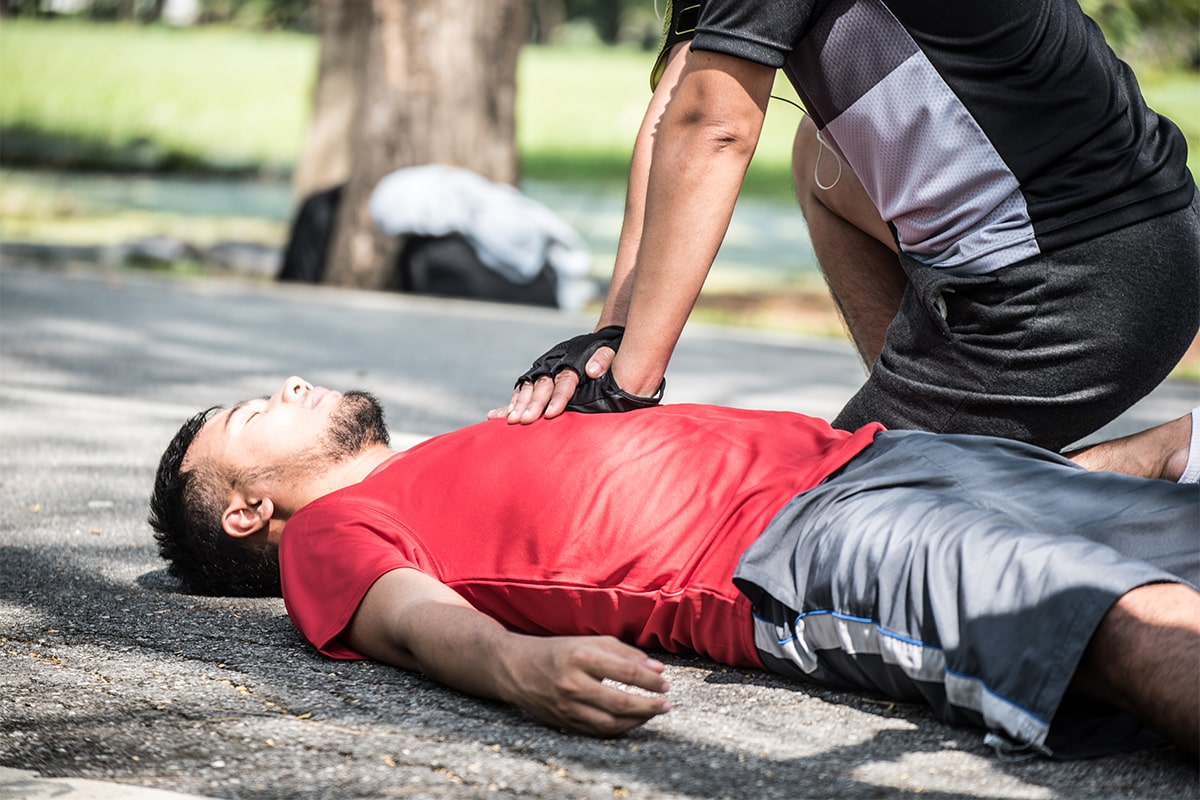
“Areas with the highest rates of bystander CPR roughly correlate to neighbourhoods that tend to be ethnically Chinese,” Barbic explained. “It may be that the Chinese community in Vancouver is more receptive to performing CPR in a public place … it’s hard to tell.”
CPR Training Interest Within the Asian Community
According to instructor Peter Ko of St. John Ambulance, interest in first aid and CPR training has been strong in the Asian community for more than 20 years — especially since the introduction of Chinese-language classes. Today, courses taught in Cantonese and Mandarin run two to three times monthly in Vancouver and Richmond.
Many learners are seniors, caregivers, or individuals who simply want to be prepared. Community organizations and churches often arrange group classes or request on-site instruction to ensure their members have the skills to respond during emergencies.
If you want to build these same life-saving skills, Calgary First Aid offers comprehensive CPR and AED training for all experience levels.
Why Immediate CPR Matters
Ambulance response times can average around 8 minutes, even in large cities — but a person in cardiac arrest cannot survive that long without intervention. Chest compressions keep blood flowing to the brain and vital organs, dramatically improving outcomes.
UBC co-author Dr. Jim Christenson reports that improved bystander response has helped increase survival rates from 6.6% to about 15% over the past decade.
CPR Is Now Easier for the Public
Health authorities have simplified CPR guidelines to make it less intimidating. Non-professional rescuers are no longer expected to give mouth-to-mouth breaths. Compression-only CPR is now recommended for most adult cardiac arrests.
According to Christenson:
“Removing the requirement for artificial respiration made people a lot more confident to attempt chest compressions.”
Dispatchers can also coach callers through CPR in real time — meaning even someone without formal training can help immediately.
Good Samaritan Protection
Many people hesitate because they fear legal consequences. B.C.’s Good Samaritan Act (1996) protects anyone who provides first aid in good faith, helping increase bystander willingness to act.
Why This Research Matters
Cardiac arrest is not the same as a heart attack — the heart stops beating entirely. Without fast bystander CPR, permanent brain damage or death can occur within minutes. The study, published in the Canadian Journal of Emergency Medicine, reinforces one clear message: early CPR saves lives.
Serving Calgary and the surrounding areas the lowest priced, highest quality OH&S approved first aid training, CPR and food safety courses for over 15 years!
 Support locally-owned and Canadian-operated businesses, with no partnerships or links with American corporations.