Calgary first aid: Teen revived after cardiac arrest at school futsal game
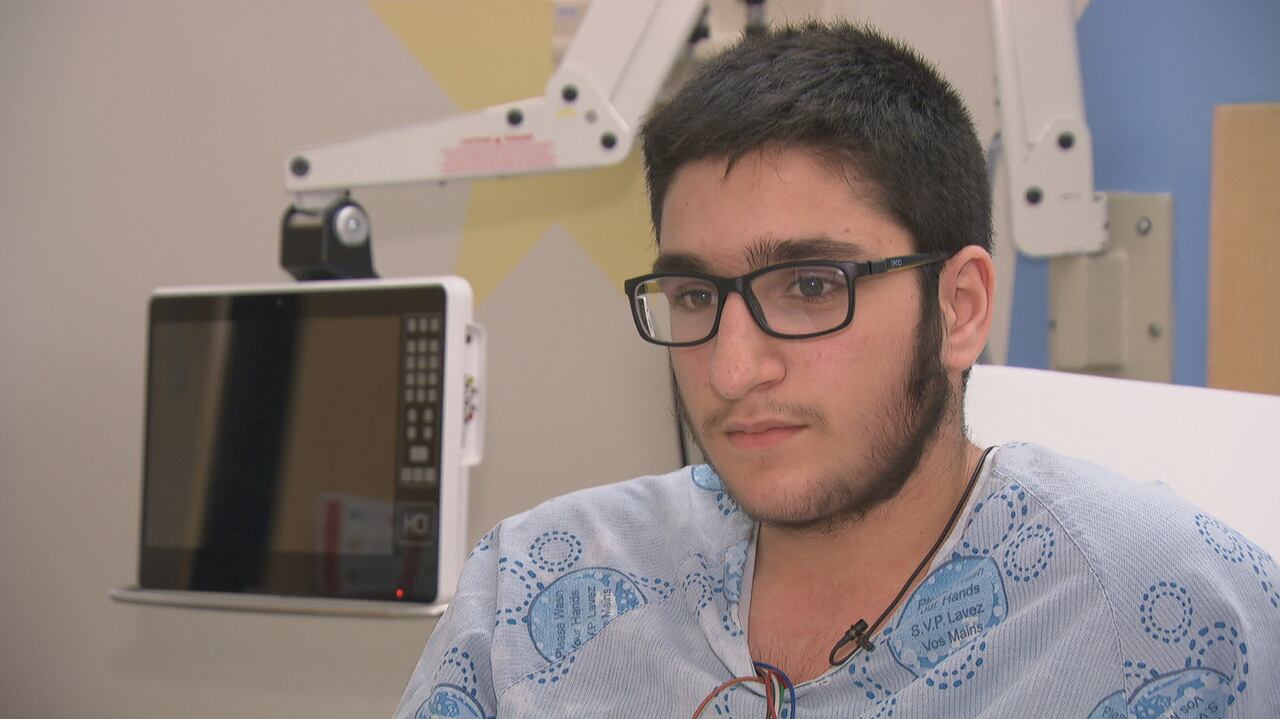
Bystanders, a nearby cardiologist and a school defibrillator all played a critical role in saving a 15-year-old boy who went into cardiac arrest while playing futsal at Sir Robert Borden High School on Greenbank Road in Ottawa.
The incident was reported by CBC News and you can read the original article here: Bystanders use defibrillator to help save boy in cardiac arrest
The teen collapsed suddenly during a futsal tournament — a fast-paced indoor version of soccer played with a slightly smaller ball. In moments like this, every second counts.
Fast action from bystanders
According to paramedic reports, several key things happened quickly and in the right order:
A cardiologist who was present at the game immediately began cardiopulmonary resuscitation (CPR).
Other bystanders ran to retrieve the school’s automated external defibrillator (AED).
Once the AED was attached, the device advised and delivered a single shock before paramedics arrived on scene.
When paramedics reached the gym, they took over care, continued resuscitation and delivered additional shocks. Eventually, the boy’s pulse returned.
Serious but stable condition
The teen regained consciousness in the ambulance on the way to a local hospital. He was then transferred to the Children’s Hospital of Eastern Ontario, where he was reported to be in serious but stable condition.
Paramedics later highlighted just how important bystander action was in this case, noting that without the actions of the bystanders, the outcome might have been very different.
They also reported that this boy was the fifth person in Ottawa to be revived that year with the help of a public access defibrillator — clear evidence that AEDs in schools, arenas, malls and community centres truly save lives.
What this teaches us about cardiac arrest
This real-life event illustrates several important lessons:
Cardiac arrest can happen to anyone, even young, active teens with no known heart problems.
Immediate CPR keeps blood flowing to the brain and vital organs until a defibrillator or advanced medical care is available.
AEDs are designed for the public. They are simple to use, give clear voice prompts and will only deliver a shock if it’s needed.
The “chain of survival” works: early recognition, early CPR, early defibrillation and early advanced care all contributed to this positive outcome.
Even though this incident took place in Ottawa, the message applies everywhere — including here in Calgary. In an emergency, you might be the person standing closest when someone collapses.
Why CPR and AED training matters
You don’t need to be a doctor or paramedic to save a life. In this case, a cardiologist happened to be nearby, but any trained bystander could have started CPR and used the AED.
Taking a CPR and AED course will help you:
Recognize the signs of cardiac arrest quickly
Call for help effectively
Perform high-quality chest compressions
The more people who are trained, the safer our schools, workplaces and communities become.
Learn how you can help
Calgary First Aid offers CPR and AED training in Calgary so you can be ready to act in an emergency like this one.
To learn more about CPR and defibrillators, you can also explore these resources:
Serving Calgary and the surrounding areas the lowest priced, highest quality OH&S approved first aid training, CPR and food safety courses for over 15 years!
 Support locally-owned and Canadian-operated businesses, with no partnerships or links with American corporations.