Study Finds CPR Quality Often Poor in Real-Life Emergencies
A pair of studies has revealed that even highly trained medical professionals—doctors, nurses, and paramedics—often struggle to perform CPR correctly during real cardiac arrest situations. These findings were first reported by CBC News in their article,
“Quality of CPR often poor, real-life tests find”
👉 Quality of CPR often poor, real-life tests find
The research highlights the importance of updated training and ongoing practice for anyone expected to deliver life-saving care.
What the Research Shows
Published in the Journal of the American Medical Association, the studies examined how CPR was performed during actual cardiac arrest cases. Despite formal training, many rescuers had difficulty meeting established CPR guidelines.
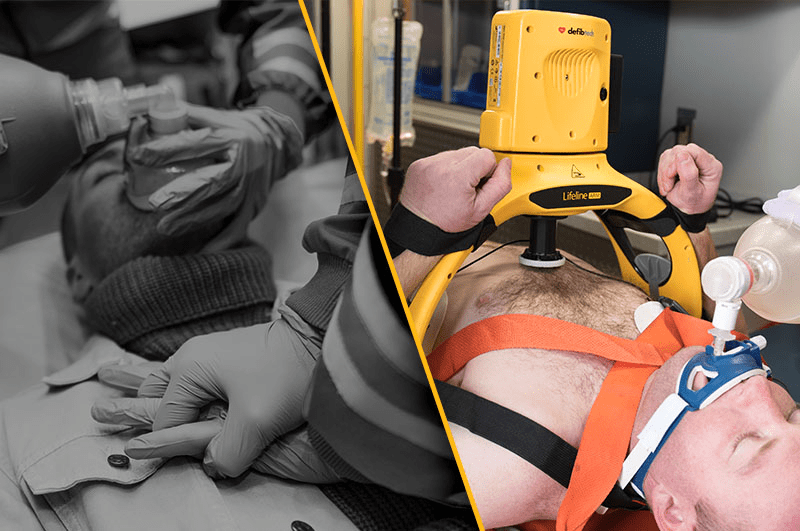
Common issues identified include:
Not pushing hard enough during chest compressions
Pushing too slowly, instead of the recommended 100–120 compressions per minute
Giving breaths too frequently, reducing the effectiveness of compressions
Delays in starting CPR, especially among paramedics and caregivers in the field
These mistakes can significantly reduce the chances of survival, as high-quality CPR is essential to maintaining blood flow to the brain and heart until a normal heartbeat can be restored—usually with a defibrillator.
Why CPR Quality Drops in Real Emergencies
Researchers noted that real-life emergencies are far more chaotic and stressful than classroom simulations. This can affect even well-trained professionals.
Dr. Lance Becker, professor of emergency medicine and director of resuscitation at the University of Chicago, explained:
“You can’t fix what you can’t measure. Performing CPR was like driving a car without a speedometer, based more on feel than on feedback.”
Because CPR is physically demanding, it’s easy for rescuers to lose consistency or become fatigued without realizing it.
The Role of CPR Feedback Technology
In both studies, rescuers used an experimental CPR sensor that measured compression depth and performance indicators. While the samples were too small to show whether the device improved survival rates, they offered valuable insight into the quality of CPR being delivered.
The device remains experimental in the U.S., with the manufacturer seeking FDA approval for broader use.
Survival Outcomes Highlight the Need for Better CPR Training
In a study of 176 cardiac arrest cases in Sweden, Norway, and the U.K., paramedics failed to start CPR quickly enough in nearly half of the emergencies.
Only 35% of patients regained a heartbeat and circulation.
In the U.S. study of 67 adults, medical staff failed to follow at least one CPR guideline 80% of the time, with only 27 patients revived.
These numbers reinforce a clear message: survival depends heavily on the quality and speed of CPR.
Why You Should Learn CPR (and Keep Skills Updated)
Whether you’re a healthcare provider or a bystander, high-quality CPR dramatically improves survival rates. Modern training ensures you learn:
Correct compression depth and rate
Effective rescue breaths
How to use an AED
How to respond quickly and confidently in emergencies
If even medical professionals can struggle, ongoing training and renewal are essential for everyone.
Learn CPR and Be Ready to Save a Life
High-quality CPR can truly be the difference between life and death. Proper training ensures you’re prepared to help—whether at home, at work, or in the community.
Additional Resources
Serving Calgary and the surrounding areas the lowest priced, highest quality OH&S approved first aid training, CPR and food safety courses for over 15 years!
 Support locally-owned and Canadian-operated businesses, with no partnerships or links with American corporations.