Why Coffee Shops and ATMs Are Ideal Places for AEDs, According to Research
Automated external defibrillators (AEDs) save lives—but only when they’re close enough to reach in time. A major Canadian study reported by the Montreal Gazette highlights that some of the most accessible and heavily frequented places in a city—coffee shops and automated bank machines (ATMs)—may be the perfect locations for these lifesaving devices.
Read the original report here:
👉 Clear! Cafés, ATMs perfect for automated defibrillators: study
A Toronto Study That Could Change How AEDs Are Placed
A research team from the University of Toronto, led by Prof. Timothy Chan and PhD student Christopher Sun, analyzed all businesses in Toronto with 20 or more locations. They then mapped where cardiac arrests occurred within 100 metres of these sites between 2007 and 2015. Their findings were published in the American Heart Association journal Circulation.
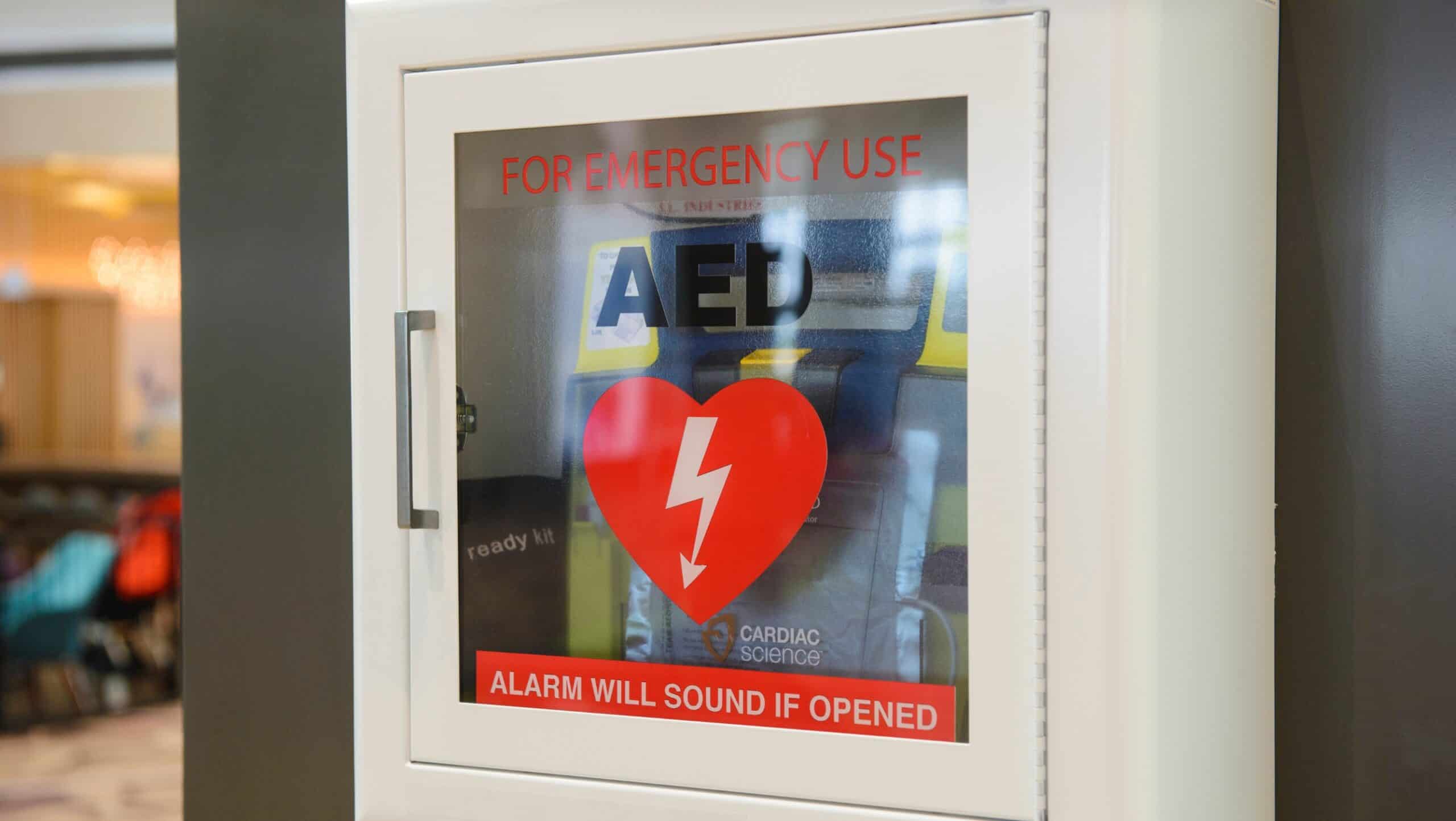
Their conclusion: coffee shops and ATMs offer the most strategic coverage for out-of-hospital cardiac arrests.
These familiar spots could help more people access an AED quickly—something that often determines whether someone survives cardiac arrest.
Why AED Access Is So Critical
Cardiac arrest occurs when the heart suddenly stops beating due to an electrical malfunction. Without immediate treatment, the brain can begin to suffer irreversible damage within minutes.
According to the Heart and Stroke Foundation, about 40,000 cardiac arrests happen in Canada each year. Sadly, fewer than 1 in 10 people survive when the event occurs outside a hospital.
Because every minute counts, accessible AEDs dramatically improve survival odds. These devices guide bystanders with clear voice and visual prompts, making them usable even by those with no medical background.
The Top Recommended Locations for AED Placement
The University of Toronto researchers created a top 10 list of prime AED locations in Toronto—based on real cardiac arrest data and the presence of high-traffic businesses.
Notable locations include:
Tim Hortons (ranked #1, with over 300 Toronto stores)
Starbucks
Second Cup
ATMs of major Canadian banks
Subway restaurants
Green P public parking lots
Just Tim Hortons alone could have provided AED coverage for over 200 of the nearly 2,600 out-of-hospital cardiac arrests recorded in the study period.
Why Coffee Shops and ATMs Work So Well
1. They’re Familiar Landmarks
In an emergency, people may not think clearly. Prof. Chan notes that panicked bystanders often recall familiar businesses—like a nearby Tim Hortons or bank—faster than designated AED locations.
2. ATMs Offer 24/7 Access
Co-author Christopher Sun points out that ATMs are accessible around the clock. They are also easy to recognize and already equipped with security and power—making them ideal for housing AEDs.
3. Coffee Shops Draw Constant Foot Traffic
Since most people pass by coffee shops daily, placing AEDs in these locations greatly increases the chance of a rapid response when someone collapses.
Improving Survival Rates Starts With Training
AED placement is only one part of the solution. The other essential component is training more Canadians to confidently perform CPR and use an AED.
If you want to Learn these lifesaving skills, consider enrolling in a CPR/AED course through Calgary First Aid. Their CPR programs focus specifically on helping people respond effectively during cardiac emergencies:This training ensures you know what to do when seconds matter most.
Learn More & Get Involved
AEDs are commonly found in airports, arenas, fitness facilities, and malls, but this study suggests that more everyday locations—like coffee shops and ATMs—would provide better coverage and save more lives. Heart health advocates and policymakers are encouraged to partner with businesses to make AEDs more available in public spaces.
As two U.S. medical experts wrote in an editorial accompanying the study:
“Future efforts should be committed to ensuring that an AED is in the right place at the right time.”
Additional Resources
To learn more about AEDs and CPR:
https://www.news-medical.net/health/What-is-a-Defibrillator.aspx
https://en.wikipedia.org/wiki/Automated_external_defibrillator
Serving Calgary and the surrounding areas the lowest priced, highest quality OH&S approved first aid training, CPR and food safety courses for over 15 years!
 Support locally-owned and Canadian-operated businesses, with no partnerships or links with American corporations.